
382
k+
COMPANIES USING COBOTS IN THE US
Hazardous Environments:
C1D1
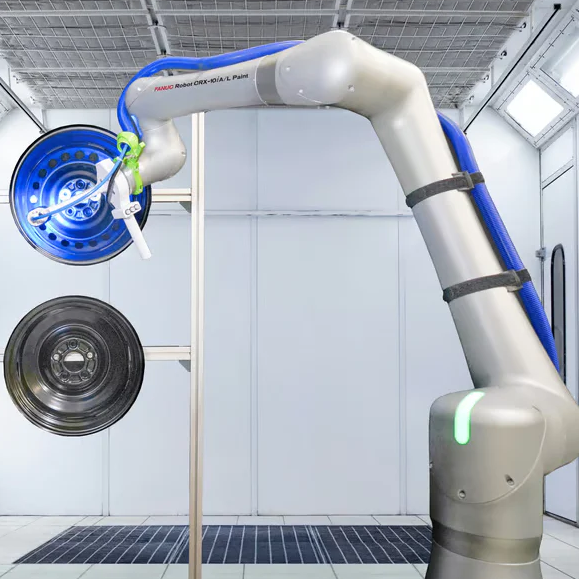
A Class 1, Division 1 (C1D1) cobot is a collaborative robot designed and certified for use in Class I, Division 1 hazardous environments, which are areas containing flammable gases, vapors, or combustible liquid-produced vapors where dangerous concentrations are likely to exist during normal operation.
 FAQ’s
FAQ’s
Class 1 Division 1 cobots are designed to safely operate in environments where explosive gases or vapors are present. They are built with explosion-proof enclosures, intrinsic safety measures, and materials that minimize the risk of sparks, making them ideal for industries like oil and gas, chemical processing, and pharmaceuticals.
These cobots are engineered to meet stringent safety regulations such as ATEX, IECEx, and UL certifications. They are designed to minimize ignition risks in environments classified as hazardous, ensuring that operations are both efficient and safe.
Industries like petrochemical, mining, pharmaceuticals, and food production (especially bakeries) benefit from Class 1 Division 1 cobots. These industries often deal with volatile materials and need automation solutions that can handle hazardous conditions safely.
Yes – Class 1 Division 1 cobots can be seamlessly integrated into existing production lines and automation systems. Their flexible design allows for easy adaptation to various tasks, such as material handling, assembly, and packaging, without compromising safety or efficiency.
Yes – For hazardous environments, especially those with explosive gases or vapors, you must use a Class 1 Division 1 (C1D1) cobot that is specifically certified for these conditions. Standard cobots are not designed or rated for explosive-risk zones and could pose significant safety hazards. A C1D1 cobot meets stringent safety standards such as ATEX, IECEx, and UL certifications to ensure safe operation in volatile environments, making it the only suitable option for these high-risk applications.
IDEAL USE CASES:
• Hazardous material handling
• Explosive gas or vapor detection
• Custom assembly in volatile environments
• Quality control in explosive-risk zones
• Press fitting & insertion in hazardous locations
WHAT YOU NEED:
Cobot Arm: 6-axis collaborative robot with 5–10 kg payload and ±0.03 mm repeatability, designed with explosion-proof enclosures
Explosion Proof Gripper: Adaptive 2-finger or 3-finger gripper with adjustable stroke and force control, built for safety in hazardous zones
Workstation Fixture: Custom jig or clamp system to securely hold components while preventing risk in Class 1 Division 1 areas
Sensor or Vision Add-on: (Optional) Intrinsically safe vision system or part presence sensor for precise alignment and verification in hazardous settings
Feedback Integration: (Optional) Force monitoring to prevent over-pressing or damaging sensitive components in explosive environments
End-of-Arm Press Tool: (Optional) Linear actuator tool for press-fit operations
Programming Software: Pre-built routines designed for safety and optimized for operation in Class 1 Division 1 environments
Training & Setup: 2-day on-site installation + 4 hours of remote programming support
SPECIFICATIONS:
Payload: 5-10kg
Cycle Time: Application-dependent (typically 15–60 seconds per part)
Repeatability: ±0.03 mm
Reach: 1000–1300 mm
Power Requirements: 110–240V AC (compressed air if using pneumatic tools) Safety Compliance: ATEX, IECEx, UL certified for explosion-proof operation in Class 1 Division 1 environments
