
Cobots Are Designed
to Work Alongside
Humans on the Factory Floor.
[ co·bot ] — short for collaborative robot — is a type of automation tool designed to safely work with people, not instead of them.
What is a cobot? Unlike traditional industrial robots that operate in cages or behind barriers, cobots work alongside humans on the factory floor. They’re easy to program, flexible to use, and perfect for repetitive, dangerous, or physically demanding jobs.

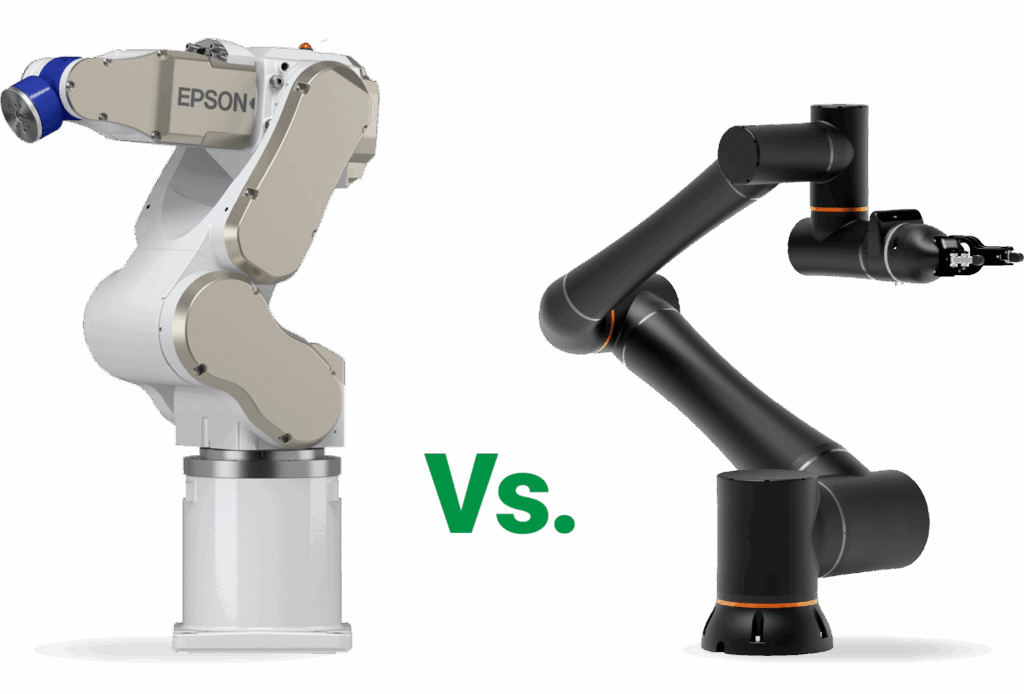
Traditional Robots
• Usually require fencing or cages
• Complex, requires engineers
• Fixed use case or task
• High upfront investment
• Operating separately from people
Cobots
• Built-in sensors to stop when touched
• Easy, no-code or low-code interfaces
• Can be redeployed easily
• Affordable for small manufacturers
• Working alongside people

FAQ
Frequently Asked Questions
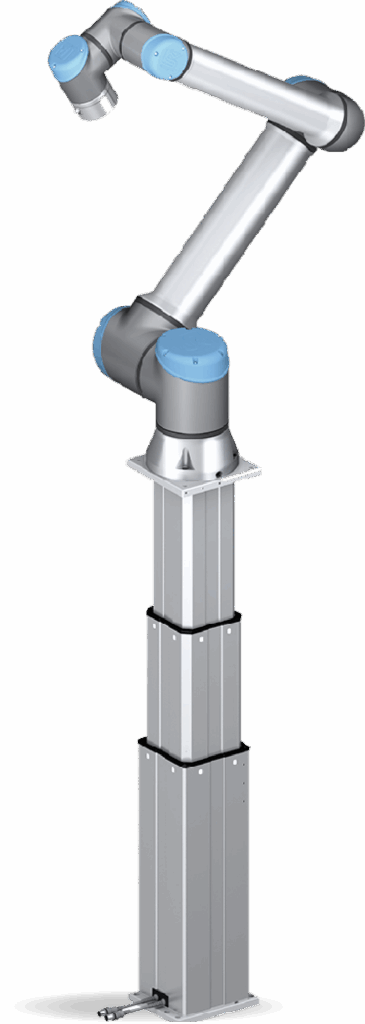
What is a Cobot? and More.
Let's Answer Your Questions.
Cobots are collaborative robots—they work alongside humans. Traditional robots are usually large, fast, and dangerous without guarding. Cobots are slower, smarter, and safe to use in shared spaces.
Yes. Cobots are built with safety in mind. They include force-limiting sensors, emergency stop functions, and can slow down or stop entirely if they detect a person nearby.
• Pick and place
• Machine tending
• Packaging
• Palletizing
• Welding
• Assembly
• Quality inspection
No. Many cobots can be installed and programmed by existing staff. Some companies choose to work with automation partners for larger projects.
Consider the specific tasks you want the cobot to perform, the weight and reach requirements, the desired level of automation, and the available budget.
Cobot manufacturers often provide professional services such as installation, programming, training, and maintenance.
Cobots offer easy installation, are highly programmable and flexible, improve productivity and efficiency, have a positive team impact, and can be a cost-effective solution.
Cobots can have initial upfront costs, may not be suitable for all tasks, adding them to workflows can disrupt existing processes and require workplace redesigns, and rapid technological advancements can make them obsolete faster than expected.
Cobots can be programmed using various methods, including teach pendants, graphical programming interfaces, point-to-point programming, and scripting languages.
Didn't Find The Answer You Were Looking For?
Reach out to an expert and get your answer.
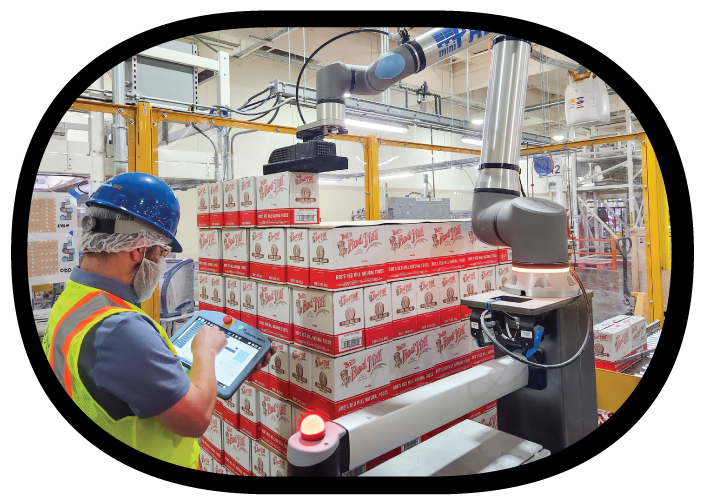
Example Use Case:
Packaging Line Automation
A mid-sized food packaging company was struggling to fill repetitive labor positions. After deploying a single cobot on their end-of-line packaging station, they were able to:
• Reduce human fatigue and injury
• Improve consistency and speed
• Reassign a valuable employee to a higher-skill task
Helpful Tools
Try these helpful tools to get you closer to answering your questions and concerns about cobots in the workplace.
Try the Robot ROI Calculator
Compare your labor costs with cobots in minutes
Take the Quiz
Is your facility ready for a cobot?
